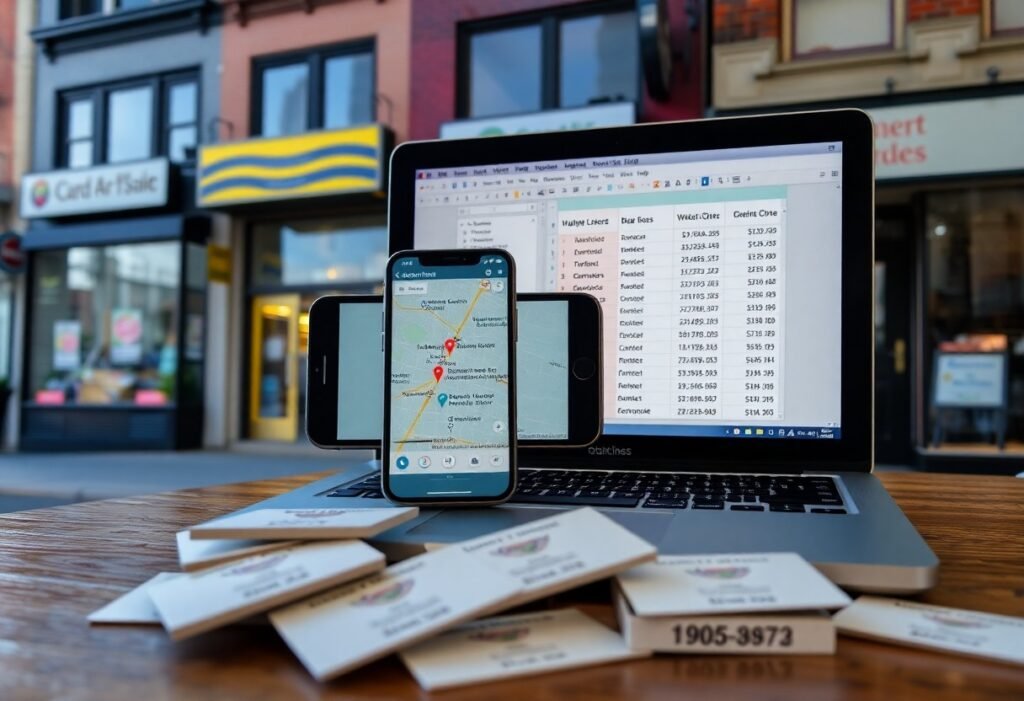

Many businesses risk losing visibility when you reuse content across locations; duplicate pages dilute authority and can trigger penalties, while unique, localized content boosts relevance and helps you rank higher in local search.

Why GEO Pages Matter for Local SEO
Effective GEO pages give search engines and users clear, local context so you rank for nearby queries. By avoiding duplicate content and tailoring offers, you improve visibility and conversion. Use unique, location-specific content and correct NAP to signal relevance.
How search engines interpret geographic signals
Search algorithms weigh structured data, IP, backlinks and user behavior to map your business to locations; inconsistent signals can lower trust. Ensure consistent NAP, schema markup and geo-targeted content so engines associate you with the correct service area.
User intent and local relevance
User intent ties queries to nearby solutions; generic pages fail to match needs. Craft GEO pages that answer location-specific questions, highlight local policies and testimonials so you become the obvious choice. Emphasize local benefits and clear calls to action.
Additionally, you should map content to specific intents: transactional pages for purchases, informational pages for local guides and FAQ sections answering neighborhood questions. Avoid templates that produce near-duplicate pages; duplicate GEO pages damage rankings. Instead, use unique location details, local reviews, opening hours and map embeds to satisfy users and search engines while enabling measurable local signals.
Problems with Duplicate GEO Content
Duplicate GEO pages confuse search engines and make you compete with yourself, diluting local relevance and user trust. Search visibility and conversions can drop when many near-identical pages exist, turning potential traffic into wasted impressions.
How duplication harms crawl budget and indexing
When you publish duplicate GEO pages, bots waste time crawling repeats, causing important pages to be crawled less frequently or left unindexed. This reduces the effectiveness of your site architecture and delays discovery of updated, high-value pages.
Thin content, keyword cannibalization, and ranking dilution
Avoiding duplicate snippets is important because repeated GEO pages often become thin content, provoke keyword cannibalization, and split ranking signals, leaving none of your pages able to rank strongly.
Furthermore, when you maintain near-identical GEO pages, search engines divide inbound links, signals, and engagement across duplicates, causing ranking dilution that lowers each page’s authority. You end up with many low-performing pages instead of one strong listing. To fix this, implement unique local content, use canonical tags or consolidated pages, add structured data, local testimonials, and distinct offers so one page accumulates signals and ranks.
Principles for Creating Unique GEO Pages
Focus on local relevance by combining unique copy, specific services, and neighborhood signals so you avoid thin, duplicate pages and earn organic visibility. You should use distinct offers, images, and customer stories for each GEO.
Localized content elements that truly differentiate pages
Include hyperlocal details such as street-level landmarks, service-area FAQs, seasonal promotions, and staff bios tied to the neighborhood so you offer genuinely unique value that users and search engines can’t ignore.
Structured data, NAP consistency, and trustworthy citations
Ensure your structured data is complete and your NAP matches across listings; inconsistent information or missing schema is harmful to rankings and confuses both users and crawlers.
Additionally, you must implement JSON-LD LocalBusiness markup with accurate address, geo-coordinates, phone, and opening hours, and keep that NAP identical to your Google Business Profile and citations. Use authoritative directories, run structured-data tests, and audit citations regularly-inconsistent NAP or bad citations can be damaging to local visibility and user trust.
Technical and UX Considerations
Optimize technical and UX details so each GEO page performs independently for search and users; enforce unique metadata, structured data, and fast loading. You must fix duplicate content to avoid ranking penalties and confusing visitors.
URL structure, canonicalization, and hreflang where applicable
Canonicalize local URLs and use clear, geography-friendly slugs; you should implement canonical tags to prevent internal duplication and add hreflang where languages or regions overlap so you serve the right page to the right audience.
Mobile UX, page speed, and conversion-focused layout
Prioritize responsive layouts, quick first paint, and prominent CTAs so users convert on small screens; you should remove render-blocking scripts and optimize media to avoid slow pages that kill engagement.
When you optimize mobile UX, align with Google’s mobile-first indexing and focus on Core Web Vitals (LCP, CLS, INP) to cut abandonment; you should use fast hosting, compressed images, critical CSS, and limit third-party scripts. Make touch targets roomy, fonts legible, and streamline forms so fast pages boost conversions while poor mobile performance costs rankings and revenue.
Content Templates and Scalable Uniqueness
Templates let you scale GEO pages without cloning content; you must design them to inject unique local facts, variable phrases, and tailored CTAs so each page reads bespoke.
Data-driven personalization and dynamic local signals
Leverage analytics and third-party APIs to surface dynamic local signals-reviews, events, and local metrics-that change content per location and boost perceived relevance.
Editorial controls and automation best practices to avoid duplication
Automate routine parts but enforce editorial controls to review templates, approve unique paragraphs, and flag duplicates before publishing.
Maintain strict review gates: automated duplication risks penalties, so you enforce human spot-checks, variation quotas, entity matching, and regression tests to ensure each page contains meaningful local content before publish.
Measurement and Iteration
Measure local page impact with a mix of traffic, engagement, and conversion metrics so you can refine what works. Prioritize local organic clicks, bounce rates, and direction requests to spot meaningful gains and potential visibility threats.
KPIs and tracking for local page performance
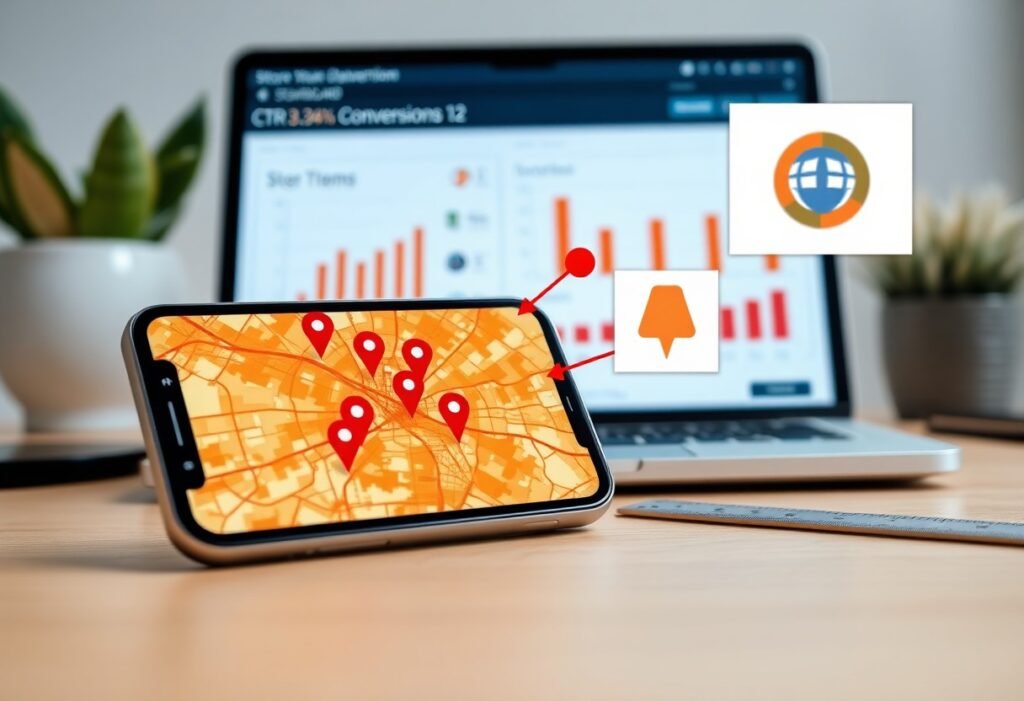
Track KPIs like local organic sessions, click-through rate, map impressions, and phone clicks so you can attribute value. Use analytics and UTM tagging to link behavior to specific GEO pages and detect pages that harm or help visibility.
Experimentation, audits, and continuous content refinement
Test titles, meta, and localized content variants, then run audits to remove duplicate signals. Focus on high-impact changes and monitor ranking shifts so you can stop tactics that reduce visibility.
Iterate fast: run A/B tests on headings and CTAs, compare localized copy, and log each experiment so you can revert harmful changes. Use Search Console, GA4, and heatmaps to correlate ranking moves with user behavior. Prioritize fixes that recover lost impressions or boost local conversions, and schedule regular audits to remove duplicate content, canonical errors, and inconsistent metadata.

Conclusion
Following this, you must make GEO pages unique to avoid duplicate-content penalties, improve local relevance, and signal search engines to rank your pages higher.