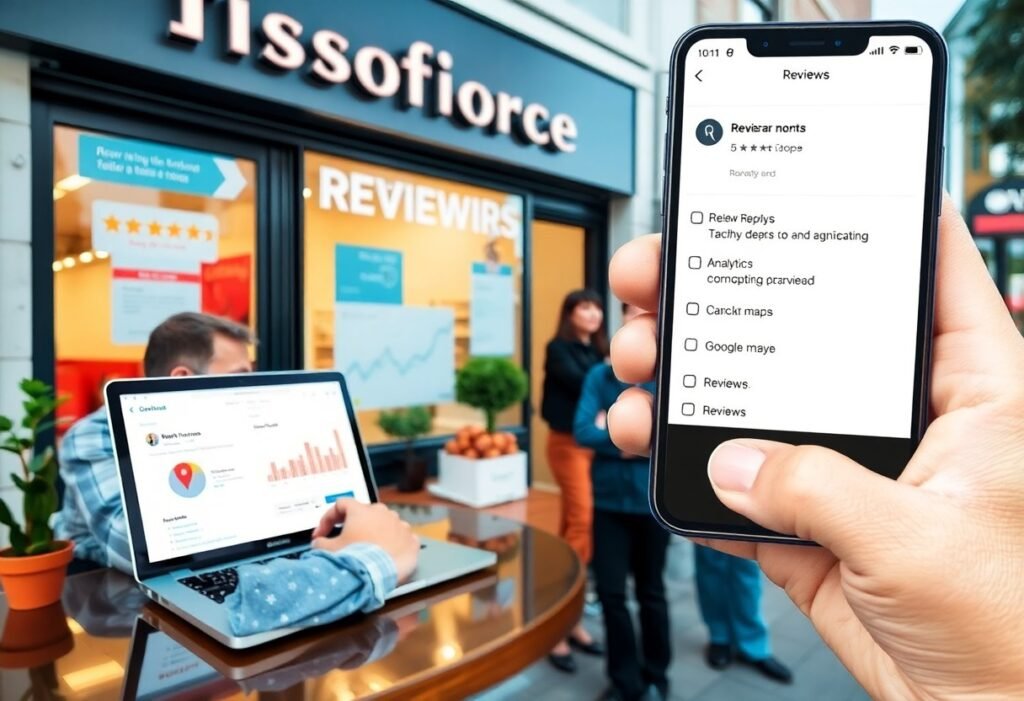


Over time, you earn trust through reviews, accurate listings and community signals, protecting you from penalties while increasing local visibility and customer loyalty.
The Role of Trust in Local Search
Within local search, you rely on trust signals – reviews, accurate listings, and consistent citations – to earn visibility; search engines reward verifiable information with better placement.
Why trust influences rankings and click‑throughs
Because search engines interpret signals like review quality and NAP consistency as reliability indicators, you earn ranking boosts and higher click-throughs when those signals are strong.
Trust as a competitive differentiator in local markets
When you build dependable experiences and manage feedback proactively, you stand out in crowded local listings and attract more customers than competitors who ignore trust.
Furthermore, you should solicit genuine reviews, respond to negative reviews promptly, fix inconsistent listings, and implement schema markup; these steps protect your local visibility and turn casual searchers into loyal customers, creating a measurable advantage over rivals.
Core Trust Signals: NAP, Citations, and Listings
Trust in local search hinges on clear NAP, authoritative citations, and accurate listings; they tell both users and algorithms that your business is real and reliable. If you maintain consistent NAP and high‑quality listings, you increase visibility and lower risk of penalties from inaccurate data.
Consistency of Name, Address, Phone (NAP)
Consistency across the web tells search engines you are legitimate; you must use identical NAP formatting everywhere. Variations fragment your authority, confuse customers, and can reduce rankings if search engines mistrust your data.
High‑quality local citations and directory strategy
Prioritize authoritative, local, and industry directories that match your market; you should avoid low‑quality aggregators that can dilute trust. Strong, verified citations with correct NAP and rich descriptions build local authority and improve discoverability.
Develop a citation strategy by auditing your current listings, claiming profiles, and standardizing your NAP; prioritize Google Business Profile, major niche directories, and local chambers. Use schema/structured data, add photos and categories, and ask customers for reviews to strengthen signals. Avoid spammy or low‑quality directories, and monitor or use tools like BrightLocal to correct duplicates and maintain trust.
Reviews, Ratings, and Reputation Management
Ratings and reviews are local proof; when you manage them, you signal reliability to both customers and search engines. Leverage consistent positive feedback while monitoring ratings to prevent reputation damage that can sink local visibility.
Generating and showcasing authentic reviews
Solicit reviews after great experiences, guide customers to preferred platforms, and display authentic testimonials prominently so you amplify trust. Avoid incentives that produce fake praise, which can trigger penalties.
Responding to negative feedback and preserving trust
Promptly acknowledge complaints, apologize when warranted, and outline fixes so you transform negatives into proof of responsiveness. A measured public reply can protect your brand trust and limit search visibility harm.
When you address negative feedback, keep replies concise, factual, and nondefensive; invite the conversation offline to resolve specifics, document remediation steps, and follow up publicly after fixes. This transparency converts detractors, encourages updated ratings, and helps reduce the impact of past issues on local rankings.
Google Business Profile and Platform Trust
Google’s Business Profile acts as a primary trust signal in local search, so you must keep accurate NAP, timely responses, and consistent categories to ensure users and the algorithm see your listing as reliable and authoritative.
Optimizing GBP for authority and discovery
Optimize your GBP by creating a complete profile, adding high-quality photos, and using targeted keywords so Google understands relevance and you earn more visibility and clicks.
Verification, attributes, and ongoing profile activity
Verify ownership to unlock attributes and posting features; you should keep attributes updated and publish offers because stale info reduces trust and limits discovery.
Maintain verification, respond to reviews, update hours for holidays, and monitor Q&A; consistent activity signals to Google that you’re active and trustworthy, while neglect can trigger misinformation penalties or rank drops.
On‑site Trust: Content, E‑E‑A‑T, and User Experience
Within your site, E‑E‑A‑T, clear local signals, and fast UX tell search engines and users you’re reliable; prioritize accurate info, authoritative authorship, and seamless interactions to convert visits into local leads.
Trustworthy, locally relevant content and author credentials
Ensure your pages answer neighborhood-specific queries, cite local facts, and display author credentials with bios, photos, and linked profiles so users and Google see your expertise and local relevance.
Technical UX: mobile performance, security, and structured data
Optimize page speed on mobile, enforce HTTPS, and mark up local business data with schema so search engines can trust your info and users enjoy fast, secure visits.
Additionally, test and fix Core Web Vitals to avoid ranking loss from poor mobile performance; serve content over HTTPS with HSTS and up-to-date TLS to protect users; implement JSON-LD LocalBusiness schema (address, hours, geo, sameAs, contact) and FAQ/product markup so search engines display rich results and reduce friction that keeps local customers from converting.

Local Links, Partnerships, and Community Signals
Connecting with local organizations and blogs sends strong community signals to search engines and customers; you should pursue partnerships that produce trusted backlinks, avoid spammy links, and focus on relevance to boost local visibility.
Earning local backlinks and trusted referrals
Build relationships with local media, chambers, and suppliers so you earn high-quality backlinks and referrals that search engines and neighbors trust rather than cheap directory links.
Offline reputation, partnerships, and social proof
Leverage in-person events, sponsorships, and customer testimonials to amplify your community standing; strong offline ties create credible social proof that boosts online search trust.
Cultivate consistent offline behavior: solicit customer reviews, display local awards, co-host events with trusted partners, and swiftly resolve complaints-these actions convert foot traffic into measurable online trust signals.
Conclusion
Ultimately you earn local visibility by building trust through consistent reviews, accurate listings, transparent responses, and community engagement; that trust boosts rankings, attracts qualified customers, and sustains long-term growth.