
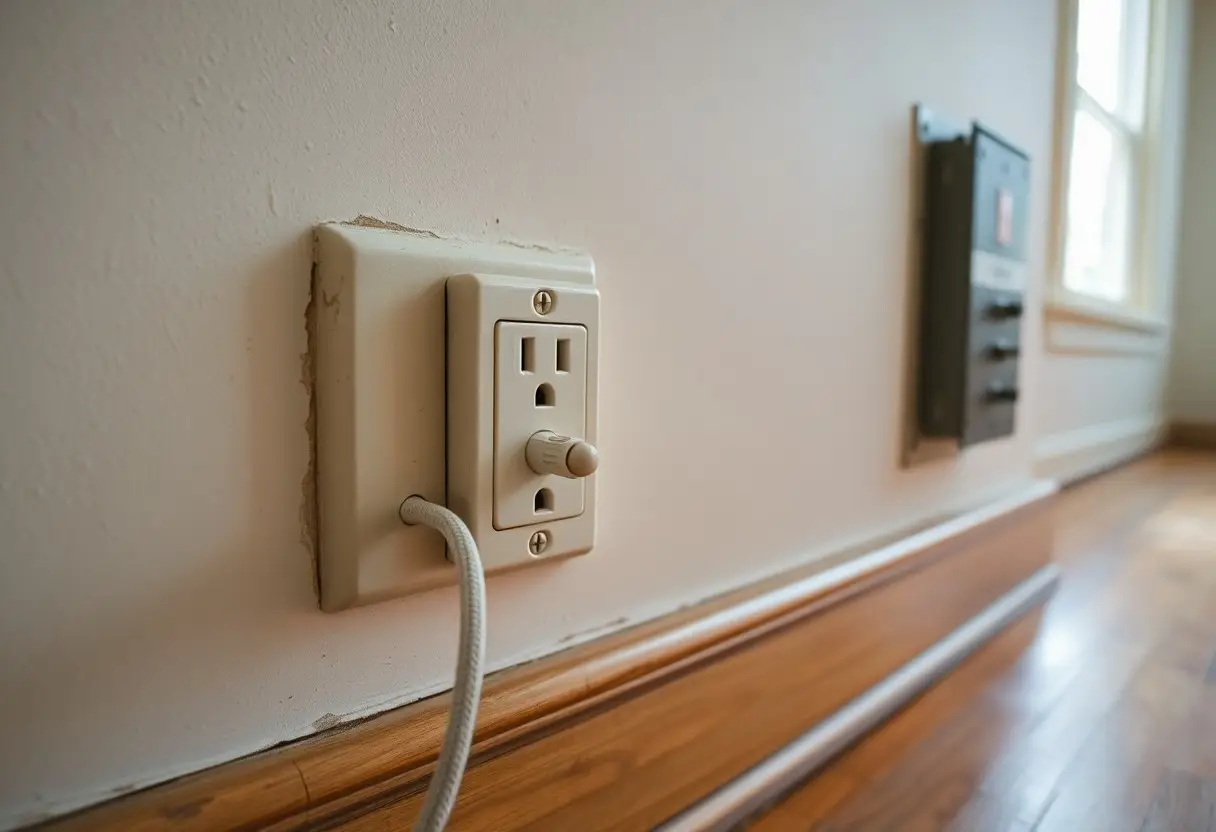
Homes in Silvis demand careful outlet safety checks you can perform to reduce electrical shock and fire risk; start by replacing damaged outlets, installing ground-fault circuit interrupters (GFCIs) where water is present, and fitting tamper-resistant receptacles for child protection. Test outlets regularly, tighten loose connections, and label circuits so you can shut power before work; if wiring looks frayed or you detect burning smells, call a licensed electrician immediately to keep your home safe.
How-to: Conduct a home outlet safety audit in Silvis
When you audit, move methodically room-to-room and note outlets with loose receptacles, scorch marks, exposed wiring, or voltage outside the typical 110-125 V range; prioritize kitchens, bathrooms, garages and outdoor outlets where NEC requires GFCI protection. Spend 15-30 minutes on a 1,200-1,800 sq ft house, label problem outlets for an electrician, and record GFCI/AFCI locations and whether they trip properly.
Visual and functional checklist for every room
Start by checking for cracked plates, missing screws, bent or discolored outlets and a burning smell; plug a lamp and gently wiggle it to detect loose connections. Verify three-prong grounding, test GFCI by pressing its TEST/RESET, and confirm tamper-resistant shutters in child-occupied rooms; flag any outlet that sparks, trips intermittently, or shows black/brown scorching for immediate repair.
Simple testing tools and what they reveal
Use a cheap three‑light outlet tester ($5-15) to identify open ground, reversed polarity, or open neutral; a non‑contact voltage tester ($10-25) to detect live conductors without touching wires; and a multimeter ($20+) to measure voltage between hot/neutral (~110-125 V), hot/ground, and neutral/ground (near 0 V), revealing wiring faults that the plug tester misses.
With an outlet tester, match light patterns to the included code-common codes show open ground, hot/neutral reverse, or open hot; when using a multimeter, set AC volts and measure hot (short slot) to neutral (long slot) expecting ~120 V, and test hot to ground to confirm similar reading. Non‑contact testers warn of energized conductors but won’t confirm wiring correctness; if a GFCI fails its built‑in TEST, tag it unsafe and schedule immediate replacement by a licensed electrician.
How-to: Repair and upgrade outlets safely
When you repair or upgrade outlets, start by switching off the circuit breaker and verifying power is off with a non-contact tester and a plug-in tester. Use the correct wire gauge-14 AWG for 15A circuits, 12 AWG for 20A-and match outlet amperage ratings. Secure connections with tightened terminal screws or pigtails and replace damaged boxes. If you find frayed insulation, scorch marks, or loose neutral/ground connections, stop and call a licensed electrician because those indicate immediate shock or fire risk.
Replacing receptacles, covers, and damaged wiring
Begin by shutting off the breaker and removing the faceplate; you should test each conductor before touching. Pull the old receptacle and inspect for backstabbed or loose wires, corrosion, and melted insulation. Replace with a receptacle that matches the circuit amperage, install a new cover plate, and use wire nuts and pigtails when multiple conductors are present. If you encounter burnt terminals or sheared insulation, hire a pro-those are signs of past overheating and ongoing hazard.
Installing GFCI, AFCI, and tamper‑resistant outlets
You should install GFCIs in kitchens, bathrooms, garages, outdoors and within 6 feet of sinks; they detect leakage around 4-6 mA and trip rapidly to prevent electrocution. Fit AFCIs where the NEC requires protection-bedrooms and most living areas-to interrupt dangerous arcing and lower fire risk. Also use tamper‑resistant receptacles, mandated for new dwellings since the 2008 NEC. Follow line/load markings, test after installation, and consider combination GFCI/AFCI units where space or wiring complexity demands it.
You must wire devices correctly: reversing line and load on a GFCI/AFCI will leave downstream outlets unprotected, and shared neutrals on multi‑wire branch circuits require a tied breaker and compatible device. Test each installed device with its built‑in test/reset button and a plug tester, and perform tests monthly. Combination GFCI/AFCI units typically cost more but protect against both leakage and arcing; if you encounter complex multi‑wire or shared‑neutral wiring, have a licensed electrician complete the job.
Tips: Childproofing and accessibility best practices
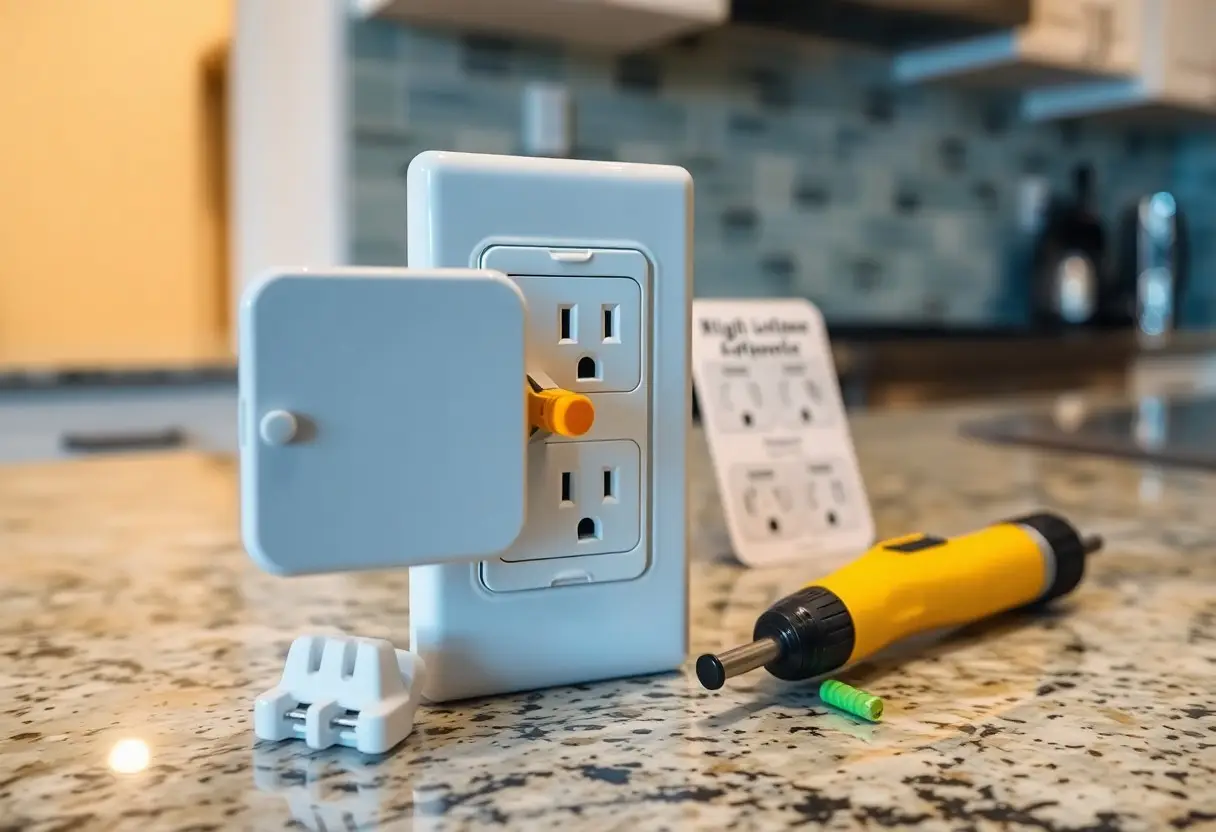
You should install tamper‑resistant receptacles, use snug‑fitting outlet covers, and test GFCI/AFCI devices monthly. Move frequently used outlets within the ADA forward‑reach range and secure cords to prevent tripping hazards. For infants, keep cords short and out of reach; for seniors, raise outlets to reduce bending. Any modifications that alter wiring should be performed by a licensed electrician.
- tamper‑resistant receptacles
- outlet covers (sliding or spring‑loaded)
- GFCI and AFCI testing
- accessibility placement (15-48 inches)
Tamper‑resistant solutions and outlet covers
You can install tamper‑resistant receptacles with internal shutters-required in new residential construction by the NEC since 2008-to block insertion of foreign objects unless equal pressure is applied to both slots. Choose certified, hard‑wired TR devices over loose plastic caps, as caps are often removed; retail TR units typically run about $2-6 each. Fit snug, certified outlet covers in play areas and replace damaged covers immediately to maintain protection.
Outlet placement, labeling, and solutions for mobility needs
You should place outlets between 15-48 inches above the finished floor to match ADA forward/side reach and follow NEC spacing so no point along a wall is more than 6 feet from an outlet. Label dedicated outlets for mobility devices with high‑contrast decals and mount some at countertop height (36-42 inches) for easier access. Any outlet serving a power wheelchair may warrant a dedicated 20‑amp circuit-confirm with an electrician.
Place bedside outlets within 2-3 feet of the bed and add one near the headboard (about 18-24 inches above mattress level) for CPAPs and chargers; install low‑profile or angled outlets to preserve wheelchair footrest clearance. Route cords along walls or use recessed cord channels to eliminate floor hazards, and mark emergency circuits with tactile tags so you can quickly identify power for medical equipment during outages.
Factors: Wiring, load capacity, and environmental risks
You need to verify your home’s wiring, ensure each circuit’s load capacity isn’t exceeded, and mitigate environmental risks like dampness or outdoor exposure. Older Silvis houses often contain aluminum or cloth-insulated runs that raise fault potential, and common issues include overloaded 15A circuits with space heaters or hair dryers. The presence of warm outlet covers, burning odors, or frequent breaker trips requires immediate professional evaluation.
- Wiring age
- Load capacity
- Environmental risks
Age of wiring, circuit load limits, and overload signs
If your house dates from before 1980 you may have aluminum wiring (1960s-1970s) or even knob-and-tube in pre-1950s homes, both of which raise connection and heat risks. Most branch circuits are rated 15A or 20A; keep continuous loads below 80% (about 12A on a 15A circuit). Watch for tripped breakers, flickering lights, warm plates, or discolored receptacles as signs of overload or degraded insulation.
Moisture, outdoor outlets, and seasonal risk factors
You should test outdoor GFCI outlets monthly, replace cracked covers, and avoid routing cords through standing water or snow. Pay attention to rusted screws, loose mounting, and persistent dampness around receptacles that can create leakage paths. Recognizing that spring thaws and summer storms increase corrosion and fault probability helps you schedule targeted inspections.
- GFCI
- Weatherproof covers
- Seasonal corrosion
When you inspect exterior receptacles, look for corrosion, bent contacts, and gaps that allow rain inside; an outlet with visible rust or a loose faceplate often precedes failure. Use weather-resistant GFCI models and sealed-in-use covers for outlets near irrigation or pool areas, since GFCIs detect ground faults in milliseconds and cut power to prevent shock. Recognizing seasonal patterns-freeze-thaw cycles and peak rainfall-lets you plan maintenance before faults occur.
- Corrosion
- Weather-resistant GFCI
- Sealed covers
Tips: Ongoing maintenance and homeowner routines
You should inspect visible outlets monthly for discoloration, warmth, loose covers, or buzzing; test GFCI units by pressing TEST then RESET, and avoid overloading circuits with multiple high-draw devices. Replace cracked faceplates, label updated circuits, and keep chargers away from sinks or damp areas to maintain outlet safety in Silvis homes. Perceiving a warm outlet, burn marks, repeated trips, or persistent arcing means stop use immediately and contact an electrician.
- Test GFCI and AFCI devices monthly.
- Log dates and actions for monthly checks and record keeping.
- Replace outlets exhibiting sparks, melting, or looseness.
- Label circuits and keep a photo record of panel work for Silvis homes.
Monthly and annual checks, record keeping
You should test every GFCI outlet monthly (press TEST, then RESET), inspect all receptacles annually for looseness, discoloration, or heat, and document results. Keep a simple log with dates, locations, actions taken, and receipts in a binder or secure photo folder, and retain records for 5-7 years to support warranty, insurance, or service histories.
When to reset, replace, or call a professional
Reset a tripped GFCI only after unplugging connected devices and confirming the circuit, but if it won’t hold or trips repeatedly, stop using the outlet. You should replace receptacles that are cracked, loose, discolored, or show burn marks or sparking. Call a licensed electrician when trips occur more than twice a month, there’s smoke or overheating, or you need upgrades for kitchens, bathrooms, or garages.
When you attempt a reset, first unplug appliances and test nearby outlets to isolate the fault, then press RESET; if the breaker trips instantly or the outlet won’t reset, you must call a professional. Consider replace if receptacles are >25 years old, two-prong without grounding where ground is required, or if you need AFCI/GFCI protection; a licensed electrician can diagnose hidden wiring faults and perform safe upgrades.
How-to: Hire professionals and ensure code compliance
When you bring a pro into your Silvis home, insist on documented proof: license number, liability insurance, and a written contract. Ask for examples of similar outlet work, a clear timeline, and a materials list that calls out GFCI/AFCI devices where required. Confirm the electrician will pull permits and schedule inspections so your project meets the local adoption of the National Electrical Code (NEC); failure to do so risks unsafe wiring and potential insurance denial.
Choosing licensed electricians and verifying credentials
You should verify a contractor’s license number and insurance before work starts, using the Illinois state licensing portal or the City of Silvis building office for confirmation. Check for classifications like master electrician or electrical contractor, call references, and read recent reviews. Get a written estimate with labor, parts, and a warranty. Pay only after a passed final inspection; unlicensed work is illegal and unsafe, while licensed electricians carry liability insurance that protects you.
Permits, inspections, and local Silvis code considerations
Most outlet additions, rewiring, panel upgrades, or relocating circuits require a permit from the City of Silvis Building Department and must comply with the NEC as adopted locally; common requirements include GFCI in kitchens, bathrooms, garages, and AFCI protection in living areas. Ask your contractor which NEC edition the city enforces and verify permit pull and inspection scheduling before work begins to avoid fines or forced rework.
During the permit process you or your contractor will submit a scope of work and basic wiring diagrams; inspections typically occur at rough-in and final stages. Inspectors focus on correct wire gauge vs. breaker size, secure grounding and bonding, cable routing, and box fill calculations per NEC tables. Make sure you receive an inspection report and a final approval-improper grounding or overloaded circuits are the most dangerous issues inspectors flag and must be corrected before sign-off.
Final Words
Hence you can significantly reduce electrical hazards in Silvis homes by installing tamper-resistant and GFCI outlets, hiring a licensed electrician for upgrades and wiring checks, avoiding overloaded circuits, replacing damaged cords, and using outlet covers where children are present. Maintain a regular inspection schedule, label breakers clearly, and follow local codes to keep your household safe and compliant.