Local presence matters: when you publish accurate NAP, clear directions, and verified reviews, you establish authority and reduce the risk of mistrust, helping customers choose you confidently and improving search visibility.
What location pages are and why they matter
Definition, business use cases, and user intent
Pages that focus on individual locations help you match local searches with precise offerings, guiding users to store hours, services, and directions. Use them for multi-location businesses, service areas, and targeted promotions; they align with transactional and navigational intent and increase local conversions.
Role in local search visibility and discoverability
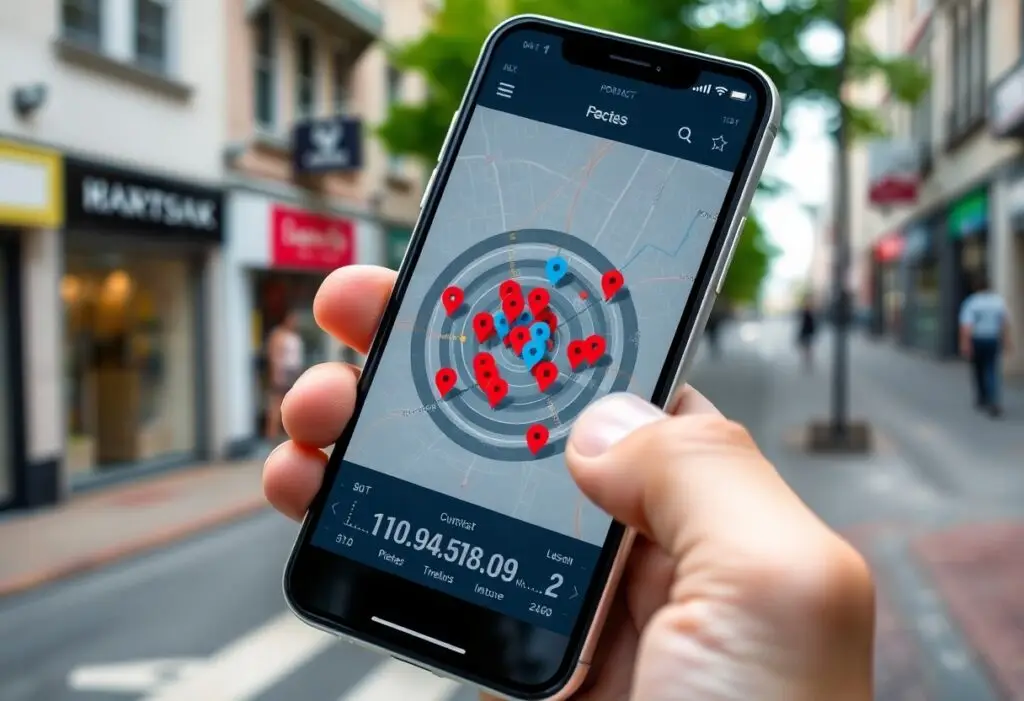
They improve local search visibility by signaling relevance for specific neighborhoods, boosting presence in maps, local packs, and organic results; consistent NAP, schema, and unique content make you more discoverable to nearby customers.
Effective location pages combine precise NAP, unique local descriptions, clear CTAs, and embedded maps so you capture search signals and user intent. If you duplicate content or publish inconsistent hours across pages, you risk lost rankings and reduced trust. Conversely, well-structured pages with schema markup and localized reviews increase click-throughs, map prominence, and in-store visits, giving you measurable local ROI.
Core trust-building elements
Accurate NAP, hours, maps, and contact details
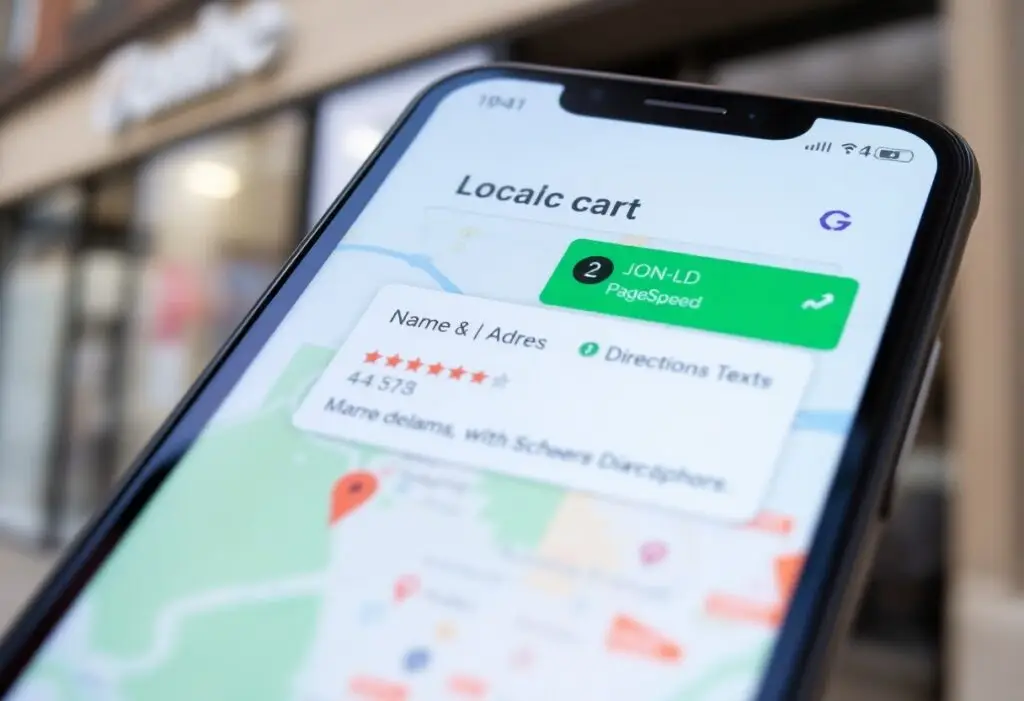
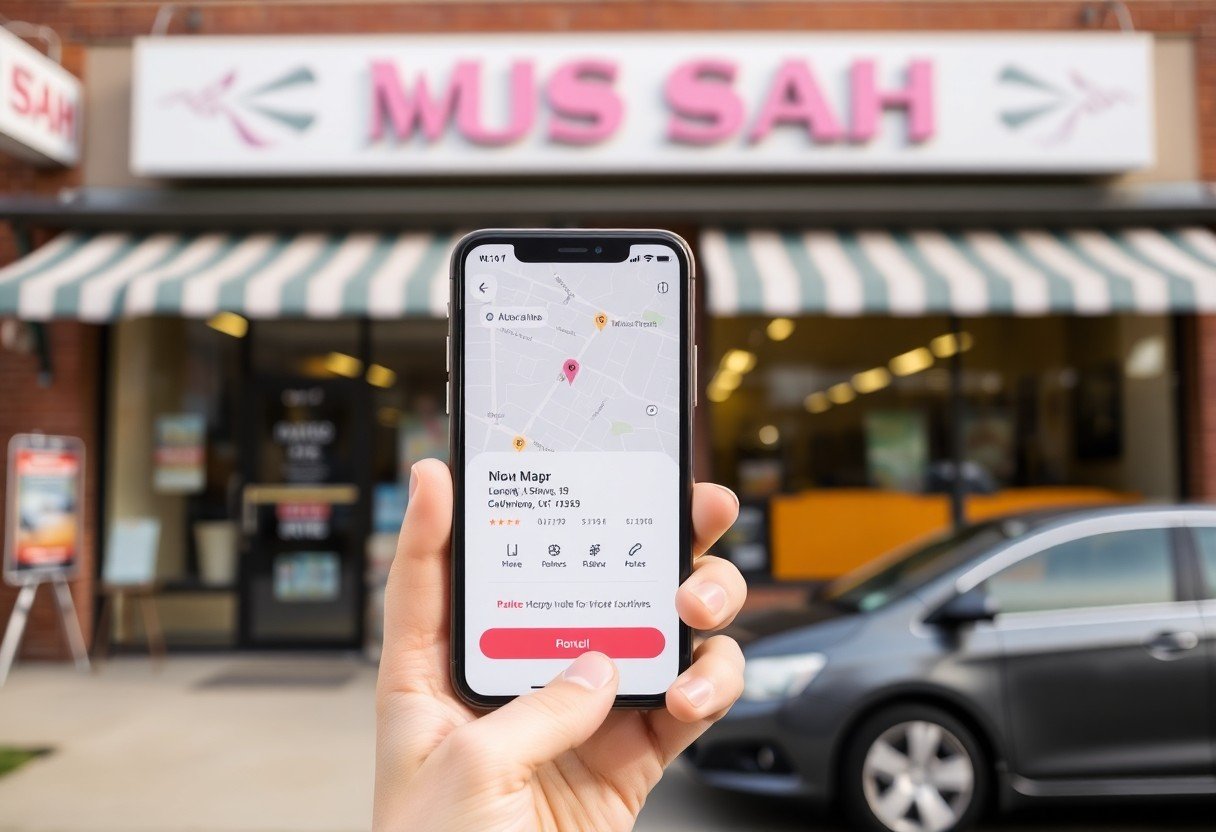
Ensure your NAP is consistent across all pages, with accurate hours, embedded maps, and clear contact details; inaccurate listings confuse customers and reduce local visibility.
Photos, staff bios, amenities, and verified signals
Showcase high-quality photos, concise staff bios, listed amenities, and platform verified badges so visitors quickly judge reliability and decide to contact you.
Provide authentic visuals and bios: use real photos of your storefront, team, and accessibility features to create an immediate connection, and include staff roles, certifications, and tenure in bios to boost credibility. Avoid stock or outdated images, and pair rich media with verified badges, schema markup, and current amenity lists so both users and search engines trust your location.
Social proof and reputation management
Effective social proof on location pages helps you convert skeptical locals by showcasing reviews, ratings, and verified community endorsements that build local trust.
Reviews, ratings, and testimonial placement
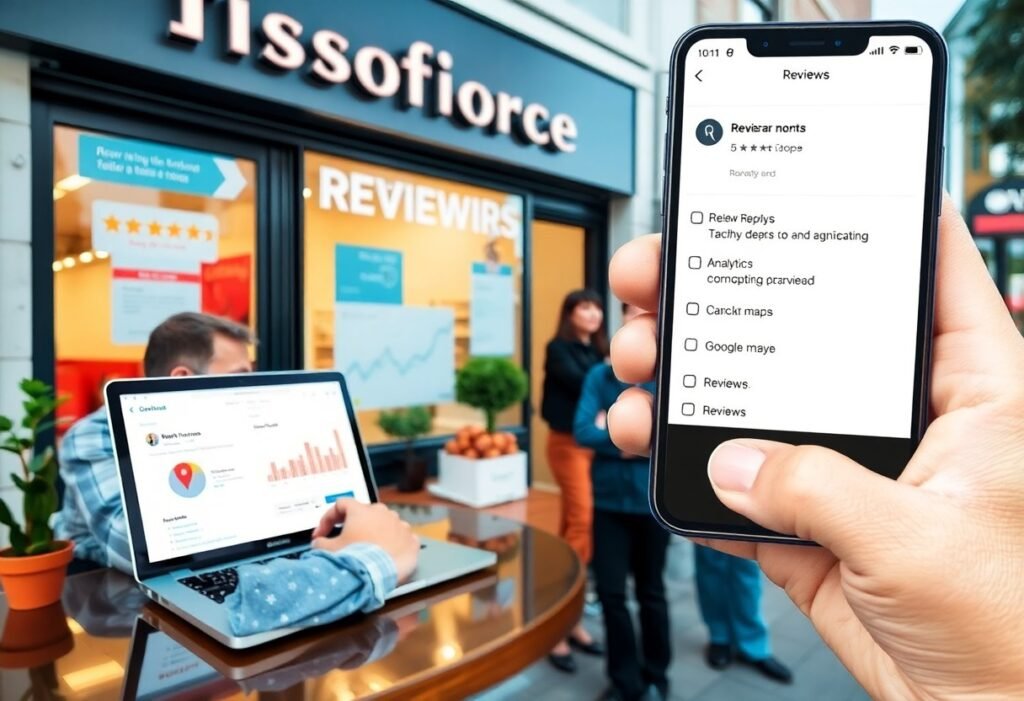
Strategically place reviews, visible ratings, and concise testimonials so you guide visitors to trust quickly; display recent, location-specific feedback and respond promptly to negative reviews to protect reputation.
Local citations, press mentions, and community signals
Local citations, press mentions, and community signals amplify visibility and make it easier for you to be found and trusted; ensure consistent NAP and links back to each location page.
Amplify trust by building citations on authoritative directories, securing local press pickups, and signaling involvement through event sponsorships; if you let listings diverge, inconsistent data can harm rankings, so audit regularly and link each mention to the appropriate location page.

Technical and on‑page SEO considerations
Optimize your location pages for on-page and technical SEO by ensuring clear schema, mobile-friendly design, and fast server responses; these elements help search engines trust and rank your local pages. Use structured data and concise meta tags to reinforce relevance.
Structured data, mobile performance, and fast load times
Ensure you implement schema markup, optimize images, and minimize render-blocking scripts so pages load quickly on mobile; fast performance improves user satisfaction and local visibility.
URL structure, canonicalization, and localized content
Structure your URLs to include location identifiers, avoid duplicate paths with proper canonical tags, and serve unique, localized copy so search engines and users clearly map pages to places.
Additionally, you should enforce a clear URL hierarchy (city/state or city/subfolder), strip unnecessary query parameters, and use server-side redirects to resolve trailing-slash and protocol variations. Monitor canonical issues and fix duplicate content promptly. Also align localized meta titles, headings, and internal links with your address data to maximize geographic trust.
Measuring impact and continuous optimization
Measure shifts in local visibility and user actions so you can prove impact; prioritize rankings, traffic, calls, and conversions when deciding what to improve.
KPIs: local rankings, traffic, calls, and conversions
Track those KPIs weekly and tie them to specific pages or campaigns so you can spot underperforming locations and amplify high performers; focus on revenue-driving signals like calls and conversions.
A/B testing, review response workflows, and update cadence
Test page elements, review reply templates, and update frequency with controlled experiments so you isolate winners; avoid broad simultaneous edits that could harm rankings and prioritize changes that increase engagement and calls.
Implement a disciplined process: you form a clear hypothesis, test a single variable, set a minimum sample size and duration, and measure primary KPIs (calls, CTR, conversions). Use geo-splits or time-based A/B tests for location pages, automate review responses with templates and escalation rules, and stagger updates-weekly tweaks, quarterly structural changes-to limit risk; avoid broad simultaneous edits that can drop rankings. Tie outcomes to your CRM to quantify ROI and scale winners that boost calls and conversions.
To wrap up
Following this, your location pages present accurate contact details, localized content, reviews, and community signals that demonstrate reliability, helping users trust your business and choose your services locally.