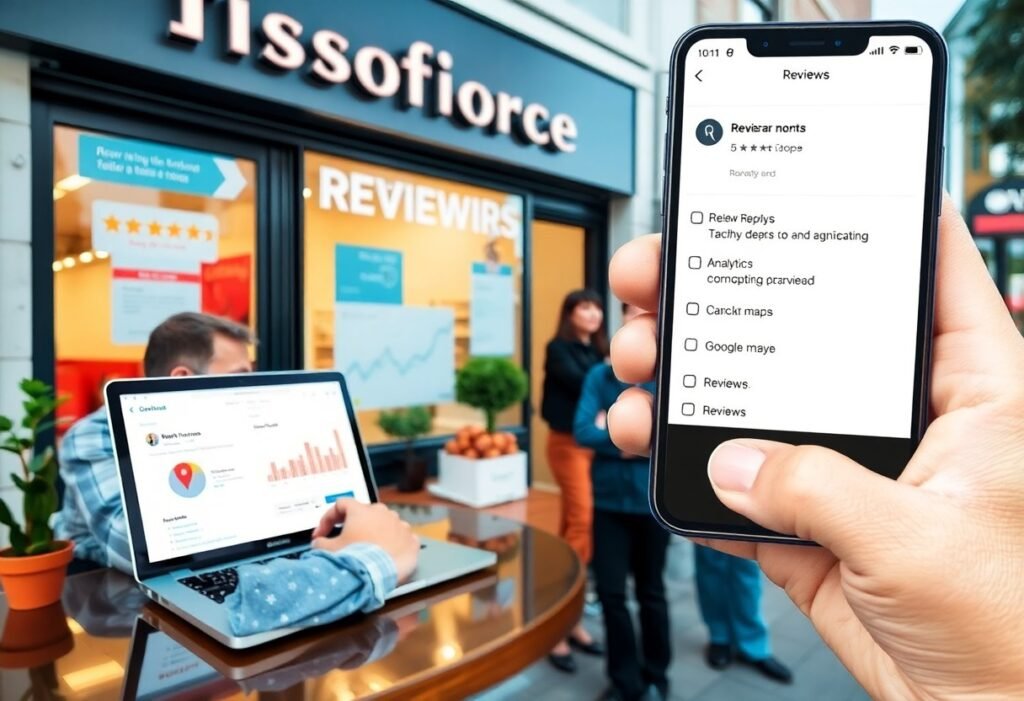

SEO guides how you strengthen local visibility, convert searches into loyalty, and protect reputation from negative reviews; by optimizing listings and content you build long-term brand equity and measurable customer trust through consistent, local signals.
Why local SEO matters for brand equity
When you optimize locally, you convert nearby searches into loyal recognition, giving your brand sustained visibility and stronger community trust. Local SEO turns intent into repeat business and fuels long-term brand equity through consistent, measurable signals.
Consumer trust, visibility, and intent alignment
By optimizing your listings and reviews, you make it easier for high-intent customers to find and trust you, which increases conversions and lifetime value. Prioritize accurate info and active engagement to sustain visible, trusted presence where local buyers search.
Local search signals that build relevance
Signals such as NAP consistency, reviews, backlinks, and behavioral metrics tell search engines you’re relevant to nearby queries, improving rank and discoverability. Focus on authoritative citations and steady review growth to amplify local relevance and ranking.
Additionally, you should track and optimize every local signal: maintain exact NAP across directories, enrich your Google Business Profile with categories, photos, and posts, encourage authentic reviews, and earn local backlinks. Behavioral signals like click-through and dwell time amplify rankings, so test listings and pages for relevance. Treat GBP completeness, NAP consistency, and genuine reviews as operational priorities.
Core local SEO tactics that strengthen brands
These core tactics help you convert local visibility into lasting brand equity by aligning signals, experiences, and trust across touchpoints.
Google Business Profile, NAP consistency, and schema
Optimize your Google Business Profile, keep NAP consistent across listings, and implement schema so you signal accurate location and offerings to search engines and users.
Localized content and keyword strategies
Target geo-modified keywords and craft pages answering neighborhood questions, events, and culture so you build relevance and local recognition.
Develop a content calendar mapping intent to formats-service pages, city guides, event posts, and FAQs-targeting near-me phrases, landmarks, and micro-moments; reinforce with internal links, citations, and reviews, then track maps impressions, organic visits, and conversions to measure brand lift.
Reputation management and reviews
Effective reputation work ensures you monitor local signals, address negative reviews promptly, and amplify praise to protect long-term brand equity, so you maintain consistent perceptions across search and maps.
Generating, monitoring, and responding to reviews
Consistently ask satisfied customers for feedback, set alerts to monitor mentions, and make sure you respond quickly to both praise and complaints to demonstrate accountability and local reliability.
Using reviews and testimonials to amplify trust
Strategically showcase testimonials on listings, pages, and ads so you leverage social proof, turning satisfied customers into visible advocates that increase local relevance and conversion rates.
Furthermore, you should curate testimonials by tagging customer quotes to relevant pages, implement structured data so search engines show star snippets, and feature third-party badges to reinforce credibility; also confront fake reviews through platform disputes and always respond transparently to negative feedback to convert issues into trust-building moments.
Local links, citations, and community signals
Within local SEO, links, citations, and community signals reinforce your presence offline and online; you should prioritize accurate citations, high-quality local backlinks, and engagement that generates trust signals while avoiding spammy listings that damage authority and visibility.
Local backlinks, directories, and partnerships
Focus on earning local backlinks from reputable sites, listing consistent NAP info in directories, and forming partnerships that drive referrals; these actions build domain authority and reduce risk from inconsistent citations that can harm rankings.
Offline community engagement and PR for digital authority
Engaging in local events, sponsorships, and PR amplifies mentions across media and social channels; you convert offline reputation into searchable authority while guarding against negative coverage that can create lasting reputation risks.
Consistent outreach to local reporters, bloggers, and neighborhood organizations turns events into earned coverage and high-value backlinks; you should prepare a clear press kit, pitch timely stories, and mobilize customers for testimonials. Use social amplification and your site to archive mentions, monitor sentiment for reputational threats, and capitalize on positive coverage to build enduring brand equity.
Measuring long-term brand equity from local SEO
When you measure long-term brand equity from local SEO, focus on signals that show sustained awareness and trust rather than short-term traffic spikes.
Quantitative KPIs: visibility, conversions, foot traffic
Track visibility, conversions and foot traffic using baselines like SERP share, map impressions, local conversion rates and in-store visits so you can quantify cumulative brand lift.
Qualitative indicators: sentiment, brand recall, loyalty
Assess sentiment, brand recall and loyalty through surveys, reviews and repeat-customer rates so you see perception shifts that metrics can miss.
Further you should combine structured NPS surveys, unaided recall tests, review-text sentiment analysis and social listening to triangulate perception; track changes over 6-12 months, flag rising negative sentiment as an early warning, and link growing loyalty to higher customer lifetime value (CLV) and sustained brand equity.
Implementation roadmap and governance
Plan a phased roadmap and governance model that ties local SEO tasks to your business KPIs, timelines, and designated owners, ensuring consistent accountability and measurable progress toward long-term brand equity.
Audit, prioritization, and quick-win tactics
Begin with a local SEO audit to surface listing errors, content gaps, and citation conflicts; you then prioritize fixes by impact and effort, delivering fast wins like NAP corrections and review prompts to protect traffic and perception.
Ongoing processes, team roles, and scaling
Establish recurring workflows, role ownership, and performance reviews so you scale efforts safely; assign an operations lead, a content owner, and a data steward to manage listings, content, and KPIs with clear escalation paths.
You should implement weekly monitoring, monthly performance reviews, and a documented playbook so your team follows consistent SOPs; set SLAs for fixes, use dashboards for real-time signals, run regular training, and escalate recurring issues to leadership to prevent listing drift and to capture the compounding value of improved local visibility.
To wrap up
With this in mind, you can build lasting brand equity by consistently optimizing local search signals, engaging nearby customers, and delivering reliable experiences that earn trust and referrals over time.