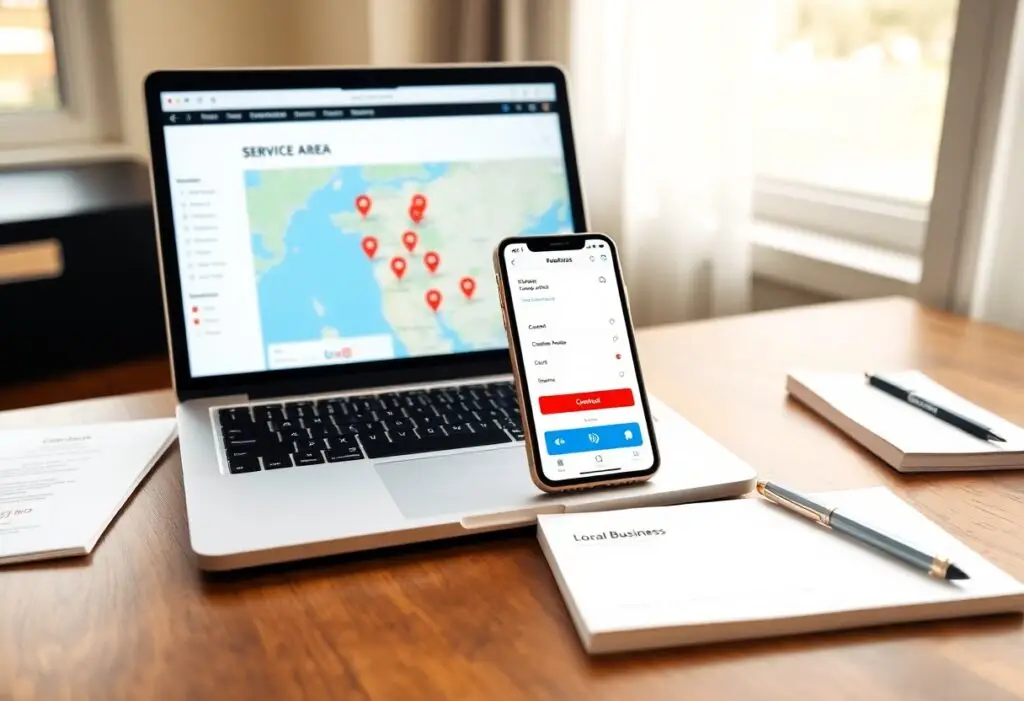
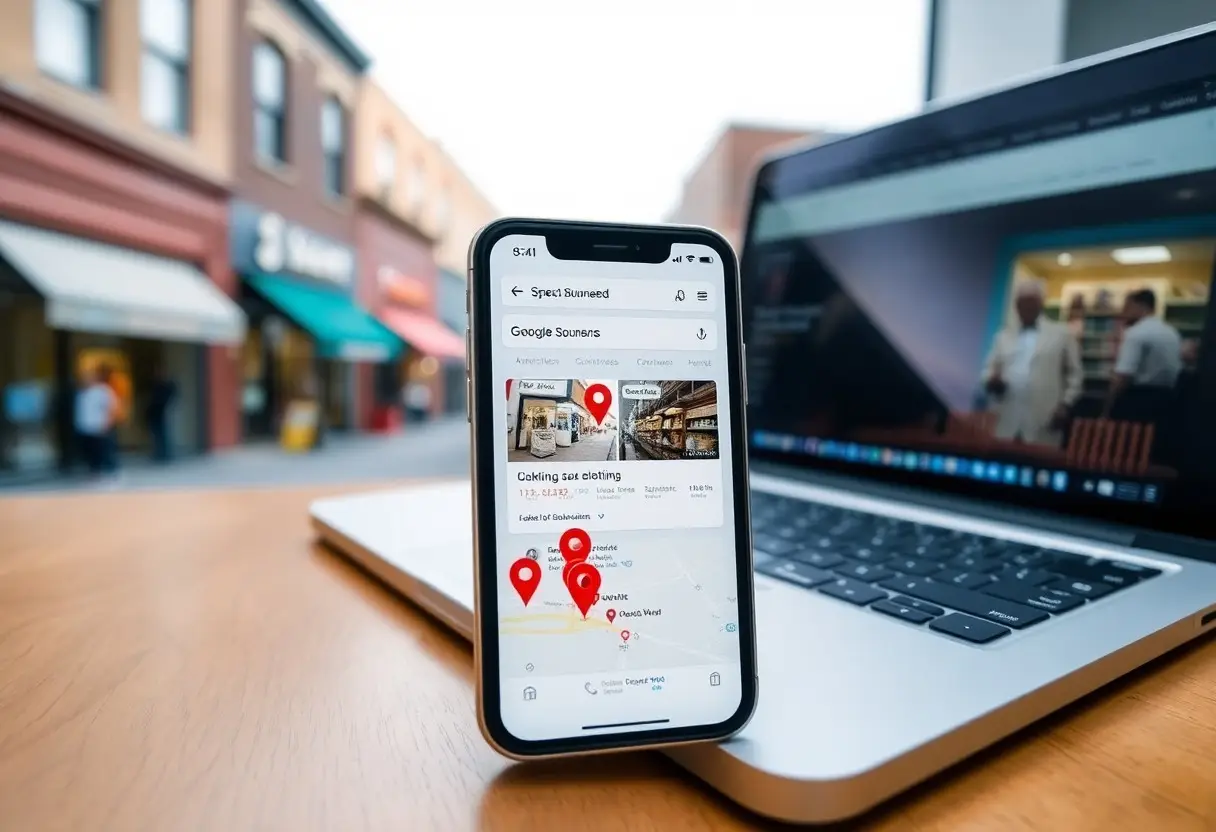
Local SEO aligns your website, listings, and content to local intent so you attract nearby customers; you must monitor negative reviews and incorrect listings because they can harm rankings, while consistent NAP, citations, and local links provide strong competitive advantage.
Geographic SEO fundamentals
Geographic SEO aligns your online presence to where customers search, prioritizing maps, local listings, and region-specific keywords so you increase local visibility and attract nearby buyers.
Definition and how location influences search results
Location signals like IP, GPS, and NAP tell search engines where to show you, while localized content and backlinks shape relevance for nearby queries.
Why geographic SEO matters for local businesses
When you optimize for local terms and listings, you boost foot traffic, phone calls, and walk-in conversions from nearby customers using mobile and map searches.
Optimizing requires correct citations, fast pages, and managing reviews; inconsistent NAP or negative feedback can severely lower rankings, while strong positive reviews and accurate listings lift trust and clicks.
Core local ranking factors
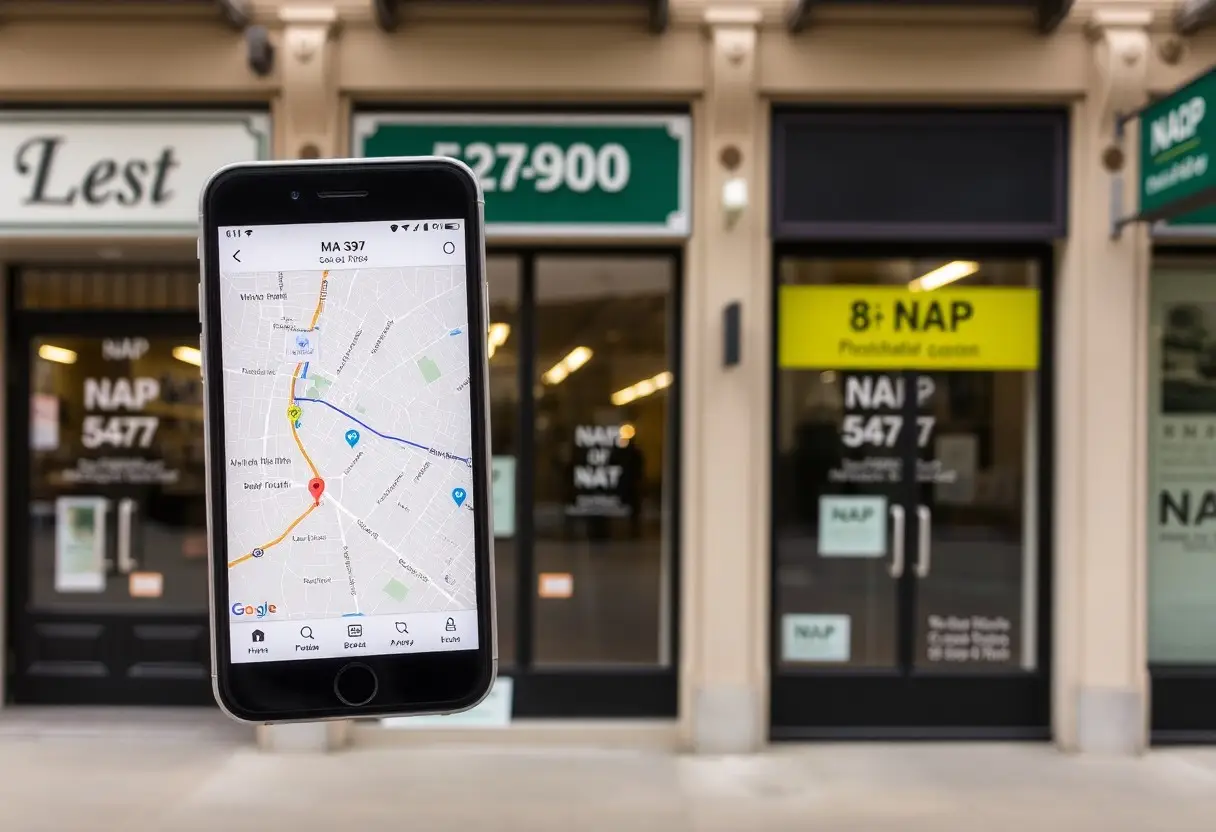
Effective local visibility relies on layered local ranking factors you control (site, NAP, schema) and those you earn (citations, local links, domain authority). Perceiving how these signals interact lets you prioritize fixes and avoid penalties.
- NAP consistency
- Schema markup
- Mobile speed
- Citations quality
- Local links
- Domain authority
On-site and technical location signals (NAP, schema, mobile speed)
Optimizing your NAP, implementing correct schema, and improving mobile speed ensures search engines and customers find accurate, fast location info that supports ranking and conversions.
Off-site signals (citations, local links, domain authority)
Building consistent citations, earning relevant local links, and increasing overall domain authority helps you climb local packs and organic results while reducing vulnerability to ranking drops.
Furthermore, you should audit and correct inconsistent citations, remove or disavow spammy directories, and pursue high-quality local links from chambers, suppliers, and local publishers; those actions boost your domain authority and deliver sustainable visibility. Use tools like Moz Local or Whitespark to track listings, measure link impact, and spot negative signals quickly.
Google Business Profile and directory management
Maintain an accurate Google Business Profile with updated hours, categories, and photos so you appear for local searches; verified profiles get more visibility and synced directories improve trust.
Optimizing and verifying your Google Business Profile
Optimize every field, respond to reviews, and add high-quality photos; when you verify your listing Google prioritizes accuracy and boosts local ranking signals.
Consistent citations and local directory strategy
Audit your NAP across top directories to keep details identical; inconsistent citations can mislead customers and harm rankings.
Consolidate listings by claiming profiles, correcting mismatches, and removing duplicates; you should prioritize high-authority sites, use consistent NAP, and monitor updates to prevent conflicting information that can drop local visibility.
Local keyword strategy and content
Local keyword research and intent mapping
Identify high-value, location-specific phrases and align them to searcher intent – transactional, informational, or navigational. You should prioritize phrases with clear local modifiers and volume, filtering out irrelevant terms to avoid wasted effort.
Service‑area pages, local landing pages, and content types
Create focused service-area pages and landing pages that target neighborhoods, services, and intent. You should use service pages, city landing pages, FAQs, and blog posts to capture different queries, emphasizing local signals and structured data for trust.
- Target local plumber phrases for immediate service intent.
- Optimize roofing contractor pages for seasonal demand.
- Prioritize emergency electrician keywords for high-value leads.
- Recognizing landscaper near me queries helps capture proximity searches.
| Service page | Focus on service + city and specific offers |
| City landing | Target broader city + service queries and citations |
| FAQ | Answer how-to and intent-based questions |
| Blog post | Capture informational intent with local context and examples |
| Schema & citations | Reinforce local signals and NAP consistency |
Optimize each service-area page for a focused cluster of queries, include local testimonials and maps, and use canonical tags to prevent duplication. You should track performance by neighborhood and refine copy to match user intent; apply schema and consistent citations to strengthen local ranking signals.
- Include service pages for each primary offering.
- Publish city landing pages for major trade areas.
- Use FAQ content to capture long-tail questions.
- Recognizing emergency services searches accelerates lead conversion.
Reviews, reputation and user signals
Reviews shape local visibility and trust; you must monitor ratings across platforms, since negative reviews can sharply reduce conversions while positive feedback boosts ranking and clicks.
Generating, managing and responding to reviews
When you proactively request reviews, manage them centrally and respond promptly, you signal activity to search engines; timely, empathetic responses turn negatives into opportunities and protect your local presence.
Behavioral signals (CTR, engagement, foot traffic) and their impact
Signals like CTR, session length and actual foot traffic show search engines how relevant you are; when you lift engagement and visits, ranking improves, while low interaction reduces visibility.
Detailed tracking helps you connect online actions to real visits: optimize titles and snippets to raise CTR, improve page speed and content to increase engagement, and use proximity-targeted offers to drive foot traffic. Avoid fake interactions or paid clicks – those penalties harm visibility, while consistent UX and local signals boost long-term rankings.
Measurement, testing and ongoing maintenance
Monitor performance regularly, set alerts for sudden dips, and schedule maintenance to keep location pages current. You should prioritize fixing NAP inconsistencies, broken schema, and slow pages. Neglected maintenance can drop local visibility, so keep a steady testing cadence.
Local SEO KPIs and tools (analytics, rank tracking, GMB insights)
Use analytics, rank trackers, and GMB Insights to track organic traffic, local rankings, phone calls, and map clicks. You should combine Google Analytics, Search Console, and a reliable rank tracker to spot declines early and tie visibility to conversions.
Audits, A/B testing and seasonal/localized updates
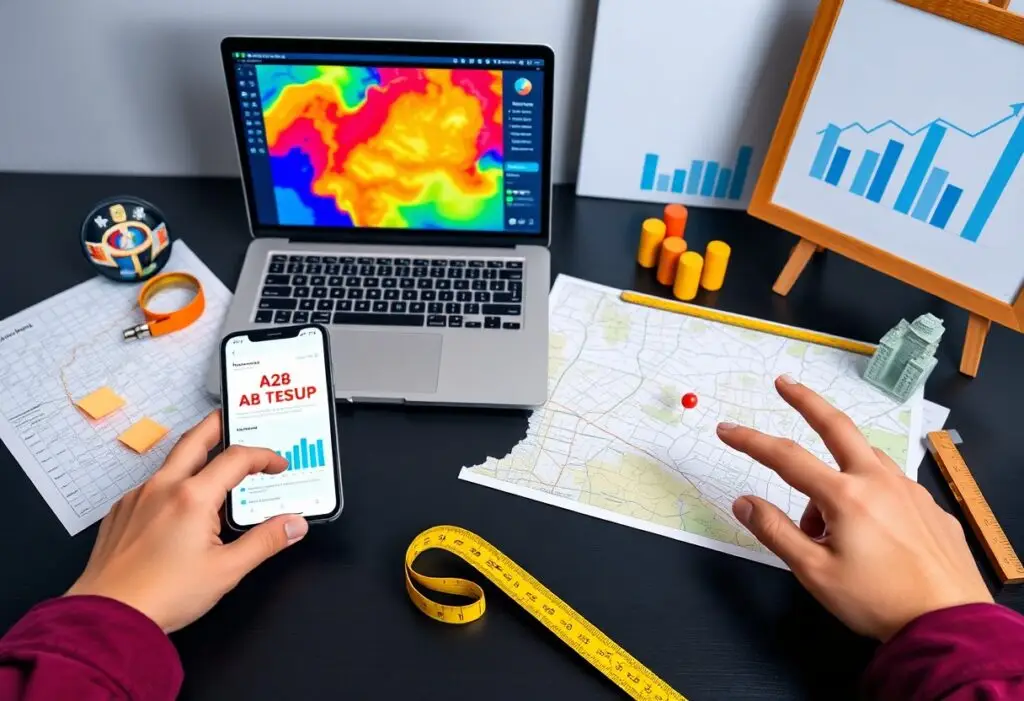
Audit your site and citations regularly, running technical, content, and schema checks. You should A/B test titles, descriptions, and CTAs to lift map click-throughs. Failing to test wastes budget without proving gains.
Iterate on tests by segmenting by neighborhood, device, and season; you’ll learn which messaging converts locally. Prioritize fixes that restore rankings quickly and document changes. Seasonal updates and local promos often deliver measurable lifts, so schedule pre-season audits and rollback plans.
Conclusion
To wrap up, you use localized keywords, optimized Google Business Profile, consistent NAP citations, and geo-targeted content to increase local visibility, attract nearby customers, and improve rankings in search and map results.