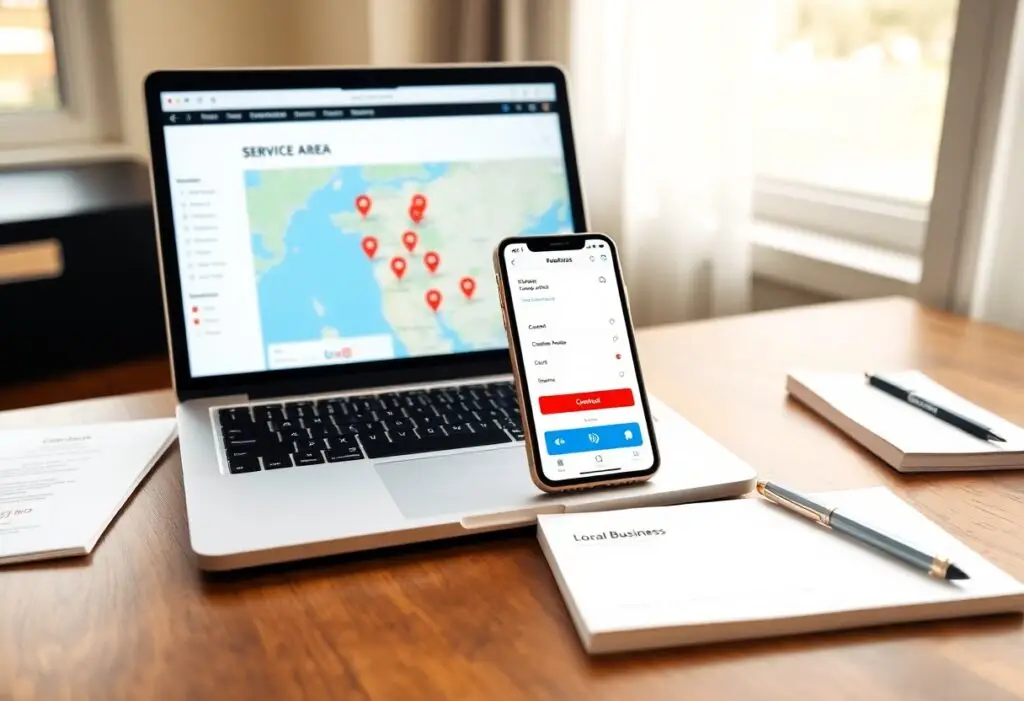

With GEO optimization, you target local audiences precisely, increasing visibility and foot traffic; misconfigured settings can harm reach, while accurate location signals boost conversions and strengthen community ties.
What is GEO Optimization?
Geographic optimization aligns your content and signals to users’ locations, boosting local visibility through location-specific keywords, consistent citations, and map signals that drive foot traffic and calls.
Definition and core principles
Fundamentally, GEO focuses on NAP consistency, schema, local keywords, and proximity signals so that search engines map your business to nearby intent and convert local queries into visits.
How GEO differs from traditional SEO
Unlike traditional SEO that targets broad rankings, GEO prioritizes proximity, local relevance, and map pack placement to reach users actively seeking nearby solutions.
Additionally, you must optimize for device and behavioral signals-mobile intent, local citations, and reviews-because GEO rewards real-world relevance; if you ignore inconsistent citations or misleading geotags, your visibility suffers despite strong organic ranks.
Local Audience Targeting
Targeting local audiences means tailoring messages by location, time, and behavior so you boost relevance and engagement. Use micro-segmentation to serve offers where they matter, and apply real-time adjustments to capture nearby intent.
Geo-targeting methods: geofencing, IP, and device signals
Methods like geofencing, IP lookup, and device signals let you target visitors with varying precision; geofencing gives foot-traffic accuracy, IP covers broader regions, and device signals enable real-time delivery while raising privacy considerations.
Hyperlocal segmentation and intent mapping
Segmentation allows you to group neighborhoods by behavior and map intent to actions, letting you serve hyper-relevant offers. Combining signals yields higher conversion rates and more efficient ad spend.
Deeper segmentation mixes visit data, search terms, purchase history, and temporal patterns so you can infer intent-research, consideration, or ready-to-buy-and trigger tailored creative and bids. Testing micro-audiences reveals which combos convert. Monitor for real-time intent shifts and enforce privacy and compliance measures to avoid legal or reputational risk from overreach.
On‑page and Technical Implementation
Localized content, schema markup, and NAP consistency
Ensure you craft local pages with accurate NAP, localized content, and proper schema markup so search engines and users find the right business details and offerings.
Site structure, hreflang, and geo-targeting settings
Organize your site so URLs, subfolders, or ccTLDs reflect locations; implement hreflang correctly and set geo-targeting to prevent indexing mismatches and serve the proper regional experience.
Audit your URL hierarchy, prefer subfolders for multi-country sites, test every hreflang tag, and set Search Console country targets. Misconfigured tags, conflicting canonicals, or wrong redirects can block visibility; validate sitemaps, server headers, and CDN rules so users and engines reach the intended regional pages.
Listings, Citations, and Reputation
Optimize your listings and citations across directories to keep NAP consistency, improve local search signals, and safeguard your reputation; mismatches can cause lost visibility and customer confusion.
Google Business Profile and directory optimization
Claim and verify your Google Business Profile, add accurate hours, categories, and images, and post updates to increase map visibility and drive local conversions.
Local citations, reviews, and partnership strategies
Encourage reviews, respond promptly to feedback, and align third-party citations to build trust signals; local partnerships amplify referrals while inconsistent entries risk ranking drops.
Monitor your citation sources regularly, dispute incorrect listings, solicit reviews from satisfied customers, and formalize partnerships with local businesses to create co-marketing opportunities that yield sustained traffic and higher conversion rates.

Measurement and Continuous Optimization
Measure performance continuously with local KPIs so you can spot trends and risks; prioritize conversion rates, foot traffic, and local search visibility to guide iterative adjustments across channels.
Local metrics, tracking tools, and dashboards
Monitor local metrics by integrating analytics, POS, and CRM into unified dashboards so you can attribute campaigns, detect anomalies, and trigger real-time alerts for fast corrective action.
A/B testing, experiments, and iterative improvements
Experiment with headlines, CTAs, and landing pages at the location level so you can validate what drives visits; phase winners and cap losers to reduce budget waste.
Iterate your tests by forming clear hypotheses, segmenting by ZIP or radius, and setting minimum sample sizes and durations so results are reliable; track online conversions and offline signals like foot traffic, assess statistical and practical significance, use sequential testing or multi-armed bandits to accelerate winners, and enforce stop/rollout rules plus holdout areas to avoid harmful rollouts.
Compliance and Best Practices
Follow standardized policies to keep GEO optimization lawful and effective; you must align targeting with local laws and platform rules, maintain privacy, and log consent. Prioritize audits and training to prevent penalties and protect user trust.
Privacy, consent, and data protection considerations
When you collect location data, obtain explicit consent, minimize retention, and apply strong security controls to comply with data protection laws; anonymize where possible to reduce exposure.
Ethical tactics and avoiding manipulative practices
Always use transparent targeting: disclose location use, avoid deceptive incentives, and design messaging that respects autonomy; steering users through manipulative or misleading tactics harms reputation and invites sanctions.
Moreover, you should actively audit campaigns for dark patterns, implement clear opt-outs, and document targeting decisions so regulators can verify compliance. Train teams to prioritize fairness over short-term gains, and use A/B tests that measure user satisfaction, not just conversions; protecting user trust preserves long-term reach and reduces legal risk.
To wrap up
With this in mind, you can leverage GEO optimization to target neighborhood-level searches, tailor content and offers, improve local search rankings, and allocate ad spend more efficiently, so your business attracts nearby customers, increases foot traffic, and measures performance with location-specific metrics.