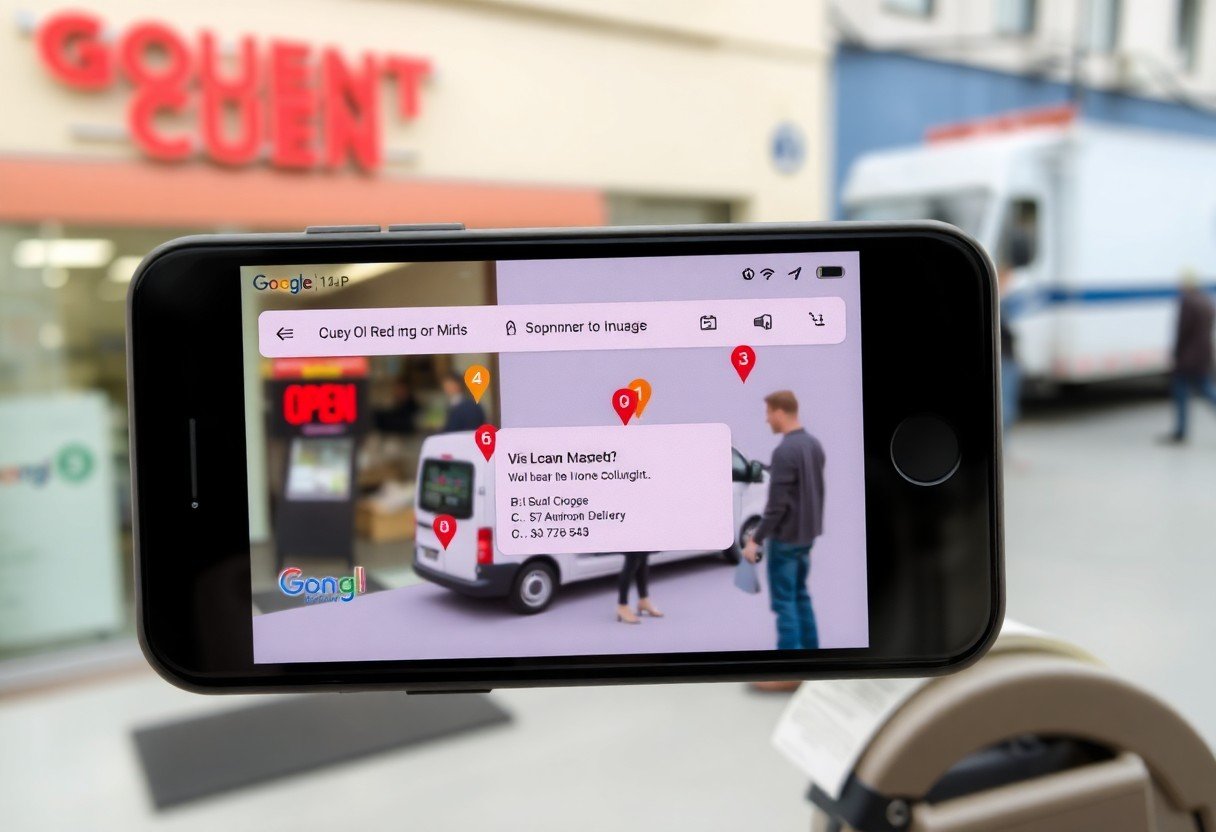
Many business activity signals-like check-ins, reviews, hours and foot traffic-tell Maps how relevant you are; accurate, frequent signals boost visibility, while inaccurate or spammy signals can hurt rankings, so you must track and optimize them.
Defining Business Activity Signals
Within Maps, you track on-site and online events that show customer interest; these business activity signals – from visits to clicks – shape relevance, while excessive synthetic actions risk fraud and reduced visibility.
Types of activity: visits, calls, bookings, clicks, check-ins
Several metrics-visits, calls, bookings, clicks, check-ins-signal customer intent and influence how you rank on Maps. Any artificial amplification can harm performance.
- Visits
- Calls
- Bookings
- Clicks
- Check-ins
| Visits | In-person traffic inferred from sensors, Wi‑Fi or location pings |
| Calls | Call-tracking logs and click-to-call events |
| Bookings | Reservation confirmations via integrated APIs |
| Clicks | Search and direction clicks from Maps or website |
| Check-ins | User-submitted presence and third-party check-in records |
Platform data sources and verification methods
Platforms ingest server logs, Maps telemetry, and partner feeds so you can validate activity and spot anomalies that undermine trust.
Additionally, you should expect sources like device signals, call-record metadata, booking APIs, and user-generated check-ins; verification uses consistency checks, rate analysis, device fingerprinting, sampling and human review to flag synthetic activity and preserve long-term trust in your ranking signals.
How Maps Ranking Algorithms Use Activity
Algorithms weigh your business’s ongoing signals-search clicks, directions requests, and recent reviews-to estimate relevance and influence Maps ranking. You need to foster steady engagement because fresh activity often outweighs static attributes when predicting user intent.
Relevance, prominence and user behavior signals
Relevance ties your listing to queries, while prominence reflects how well-known you are; you influence both by optimizing categories, descriptions, and encouraging interactions. Pay attention to clicks, call and direction requests-these user behavior signals tell Maps whether your business deserves higher placement.
Real-world activity vs. static listing attributes
Real-world activity like foot traffic, bookings, and recent visits often shifts Maps’ rankings faster than static listing fields; you should track and encourage behaviors that signal current demand. Highlight actual visits and timely interactions to show Maps your business is actively serving customers.
Additionally, you can strengthen Maps signals by integrating reservation or POS data, publishing frequent local posts, and instrumenting call-to-action tracking; these show sustained demand beyond what static attributes convey. Avoid inflating metrics with fake signals, which may trigger penalties, and prioritize verified sources like booking/transaction integrations and foot-traffic analytics to provide reliable evidence of customer activity.

High-Impact Signals to Prioritize
Prioritize signals that show real customer intent and activity; you should amplify search-to-action metrics, keep listings accurate, and publish timely updates to strengthen local relevance and map visibility.
Customer interactions: directions, calls, website actions
Whenever customers request directions, calls, or website visits, those actions signal intent and improve ranking; you should track attribution, reduce friction, and avoid misdirected links that can cost visibility.
Engagement content: reviews, photos, posts, Q&A
Active engagement-reviews, photos, posts, Q&A-shapes reputation and ranking; you should encourage authentic feedback, share high-quality images, and respond quickly to limit negative or fake content that hurts visibility.
Specifically, you should prompt satisfied customers for verified reviews via follow-ups, incentivize user photos, schedule fresh posts, and use Q&A to answer frequent queries; respond to every review and promptly flag spam or fake reviews to protect rankings and trust.
Measuring Activity and Attribution
Assess your attribution setup so you tie on-map activity to real outcomes; missing tags or fragmented data will make signals opaque, so centralize data collection and standardize UTM use.
Analytics, Business Profile insights and UTM strategies
Use Google Analytics, Business Profile insights and consistent UTM parameters to map impressions, clicks and directions to conversions; you reduce misattribution and spot which behaviors correlate with ranking lifts.
Setting KPIs and interpreting trends
Define KPIs that connect visits, calls and conversions to ranking objectives; track both short-term spikes and steady growth so you spot manipulative patterns and focus on signals with lasting impact.
Align KPIs across channels by establishing baselines, acceptable variance bands and attribution windows; apply rolling averages and significance testing to filter noise, account for seasonality, and trigger alerts for anomalous spikes to avoid misattribution. Tie those metrics to revenue or lifetime value so you prioritize the highest-impact fixes.
Practical Strategies to Increase Activity Signals
Implement targeted changes that boost local signals: keep listings current, encourage interactions, and log measurable engagement. Prioritize accurate hours, online booking, and consistent content to improve ranking and user trust.
Operational changes: accurate hours, online booking, local ads
Update your listings with accurate hours and integrate online booking so users act immediately. Run targeted local ads to drive visits; avoid inconsistent hours which can trigger penalties and reduce trust.
Engagement tactics: review generation, photo workflows, timely posts
Encourage steady review generation, enforce efficient photo workflows, and schedule timely posts to keep signals fresh; authentic feedback and recent visuals directly boost rankings and user confidence.
Focus your review program by asking satisfied customers in-person and sending polite follow-ups so you increase responses; use automated reminders and QR codes, set a tight photo workflow with templates and geotagging, and keep a posting calendar for timely posts. Avoid fake reviews-platform penalties and trust loss are severe.
Testing, Risks and Common Pitfalls
When you run business-activity experiments, control variables, log timelines, and isolate noise so outcomes remain interpretable; small samples and untracked external events can produce misleading results, so flag seasonal effects and outliers that distort Maps rankings.
Experiment design, seasonality and causation vs. correlation
Design experiments with control groups, sufficiently long windows to cover seasonality, and clear pre/post baselines so you won’t confuse correlation with causation when assessing signal impacts on rankings.
Avoiding manipulation, spam signals and privacy issues
Guard against tactics that mimic activity spikes; platforms penalize spam and abusive signals, and you must protect privacy to avoid legal and ranking consequences.
Audit your data sources and rate limits, implement anomaly detection to catch fake check-ins, bot traffic, or purchased reviews, and log investigations. If you collect behavioral data, obtain user consent, retain minimal PII, and document processes to mitigate manual penalties and legal exposure while preserving transparency.
Final Words
Following this, you should monitor reviews, responses, visit frequency, and updated listings because active, accurate signals improve local Maps ranking and visibility; consistent engagement strengthens relevance and trust, helping customers find you.